Background: Pembrolizumab demonstrated clinically meaningful and durable antitumor activity with a manageable safety profile in recurrent/metastatic (R/M) cutaneous squamous cell carcinoma (cSCC). Patients and methods: KEYNOTE-629 was a global, open-label, nonrandomized, phase II trial of patients with locally advanced (LA) or R/M cSCC conducted at 59 centers.. The incidence of non-melanoma skin cancers, including cutaneous squamous cell carcinoma (CSCC), in Australia and New Zealand is among the highest in the world, with age-standardised incidence rates of 229.2 per 100 000 men and 66.7 per 100 000 women. 1 Most people with CSCC present with local disease and can be cured; for those with advanced disease, however, median overall survival time is.
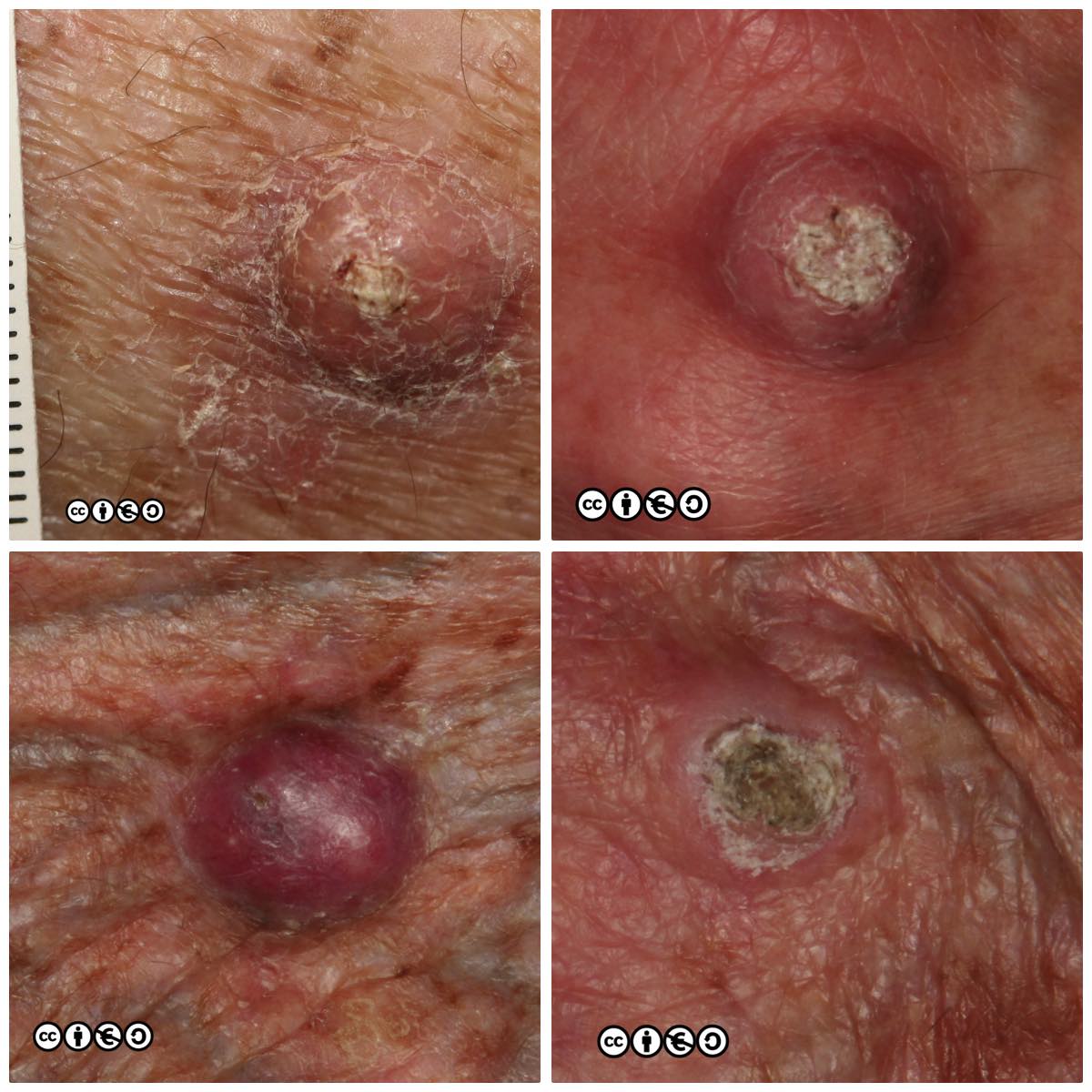
Squamous cell carcinoma Skin Cancer 909
Development of cutaneous squamous cell carcinoma (cSCC) in a… Download Scientific Diagram
:max_bytes(150000):strip_icc()/bd1-4257053ebaae4346b42ef07c0ad7a5c1.JPG "Squamous Cell Carcinoma Risks and Diagnosis")
Squamous Cell Carcinoma Risks and Diagnosis

Squamous cell skin cancer Stock Image C016/9264 Science Photo Library
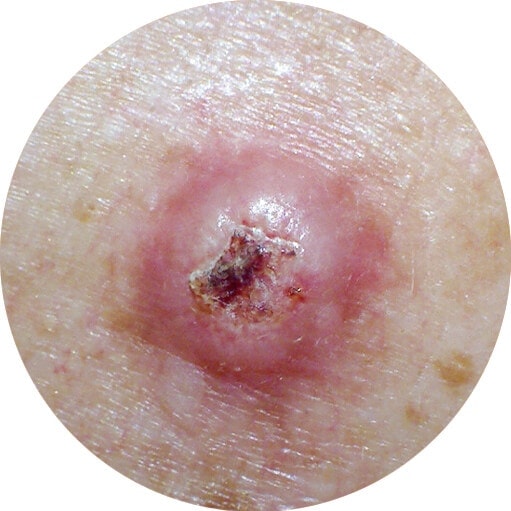
Skin Cancer Types, Symptoms, Causes and Prevention

How Is Cutaneous Squamous Cell Carcinoma Treated?
:max_bytes(150000):strip_icc()/3936-4110177fd7754322b4fb618e72448ce5.jpg "Squamous and Basal Cell Carcinoma Surgical Margins")
Squamous and Basal Cell Carcinoma Surgical Margins

Facial cutaneous squamous cell carcinoma The BMJ

Keytruda Approved for Locally Advanced Cutaneous Squamous Cell Carcinoma

FDA Cemiplimab Given Breakthrough Designation for Advanced Squamous Cell Carcinoma

Squamous cell carcinoma skin cancer Stock Image C037/0915 Science Photo Library
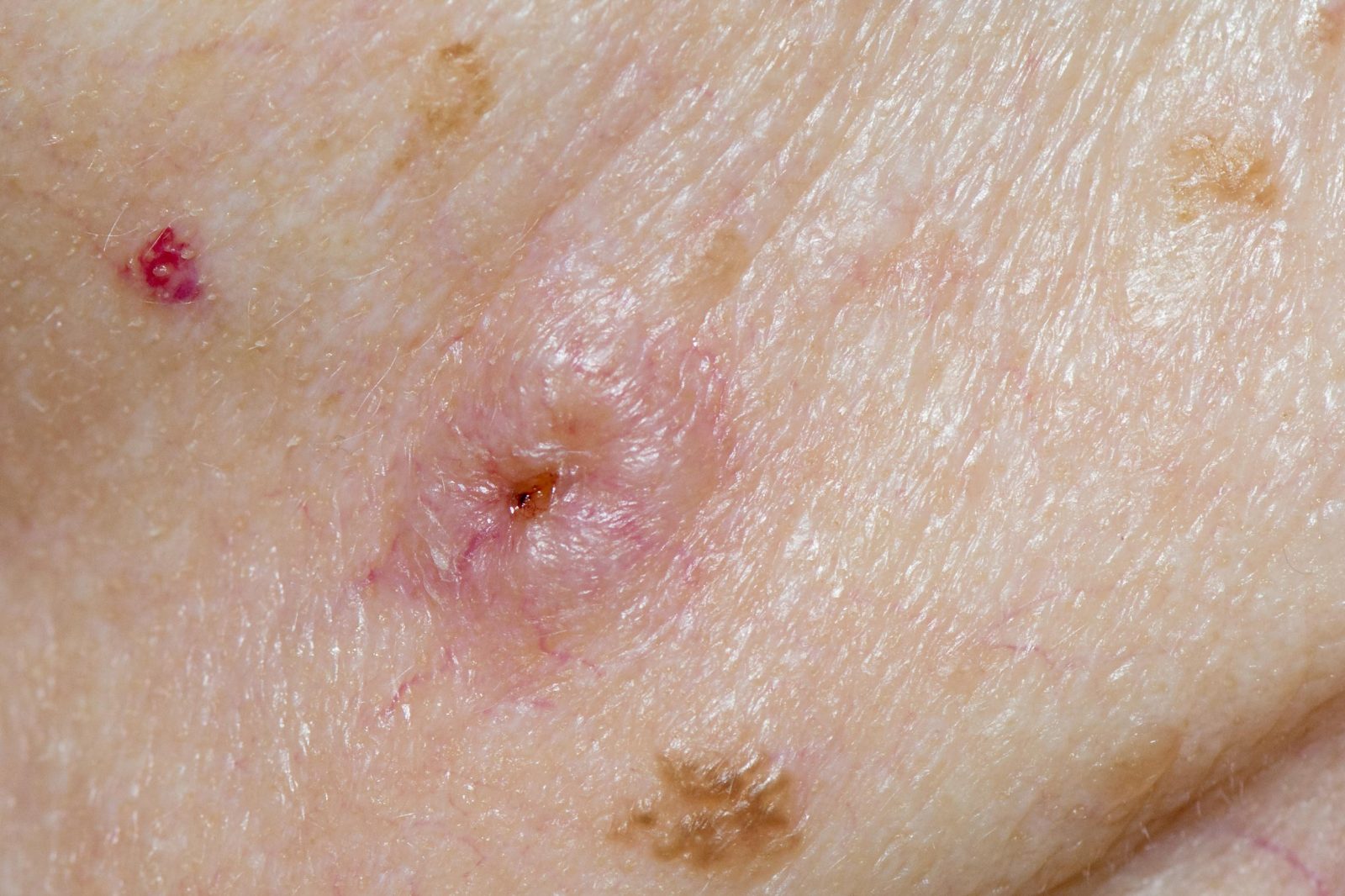
Squamous Cell Carcinoma Skin Cancer Clinic
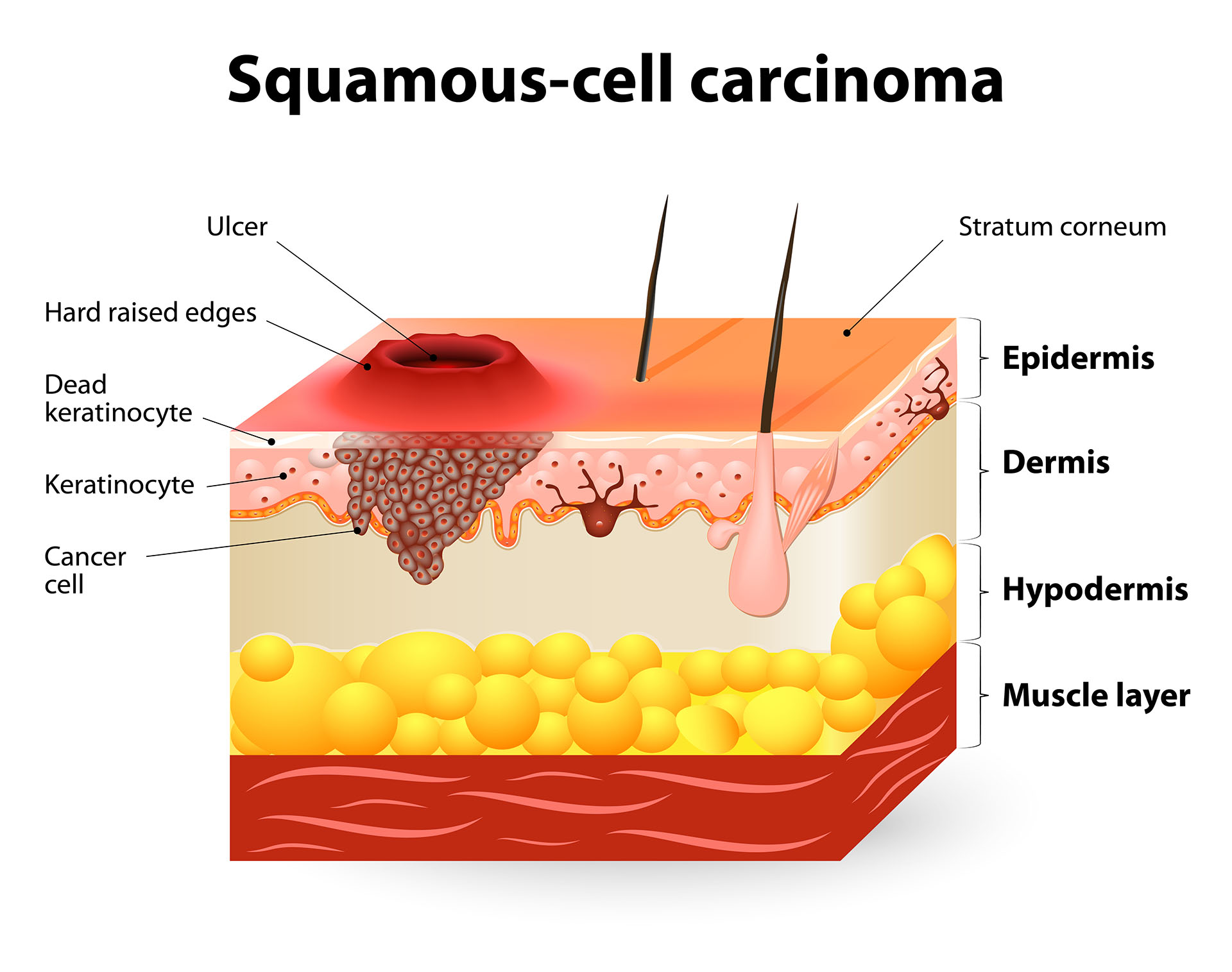
Squamous Cell Carcinoma (SCC) CBD Skin Cancer Clinic
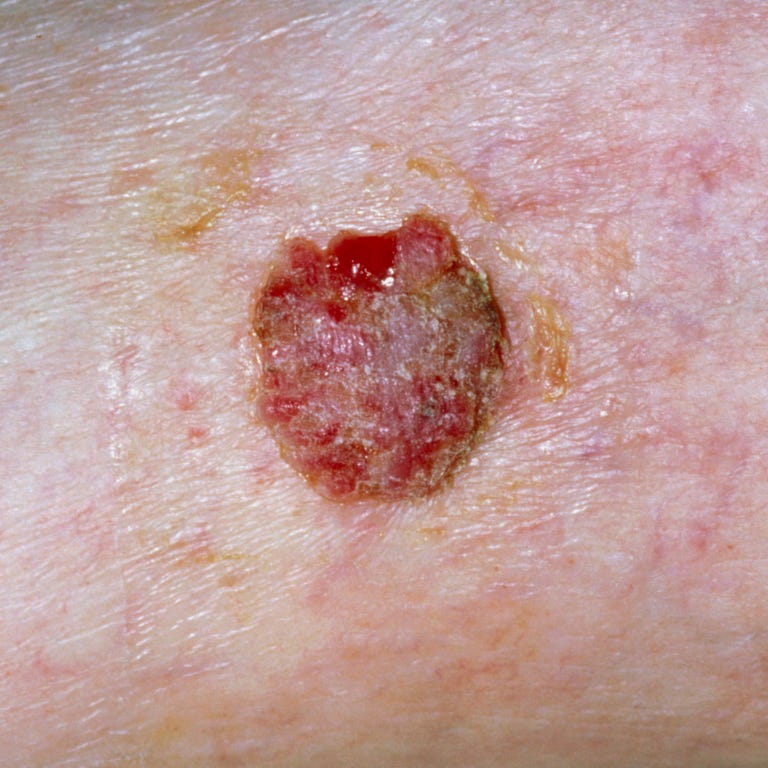
Early Squamous Cell Skin Cancer Signs
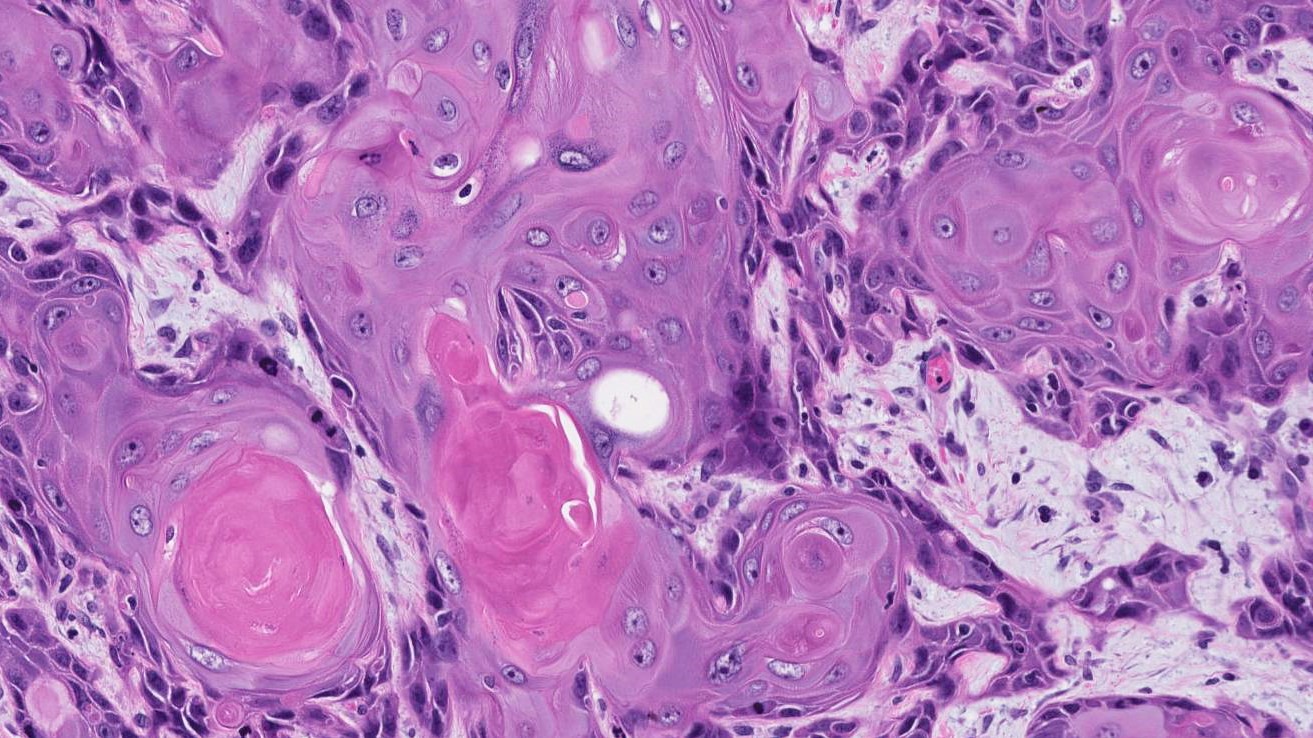
Squamous cell carcinoma Pathology dictionary MyPathologyReport.ca

Squamous Cell Carcinoma Classification Improved With AJCC8 Revision Dermatology Advisor
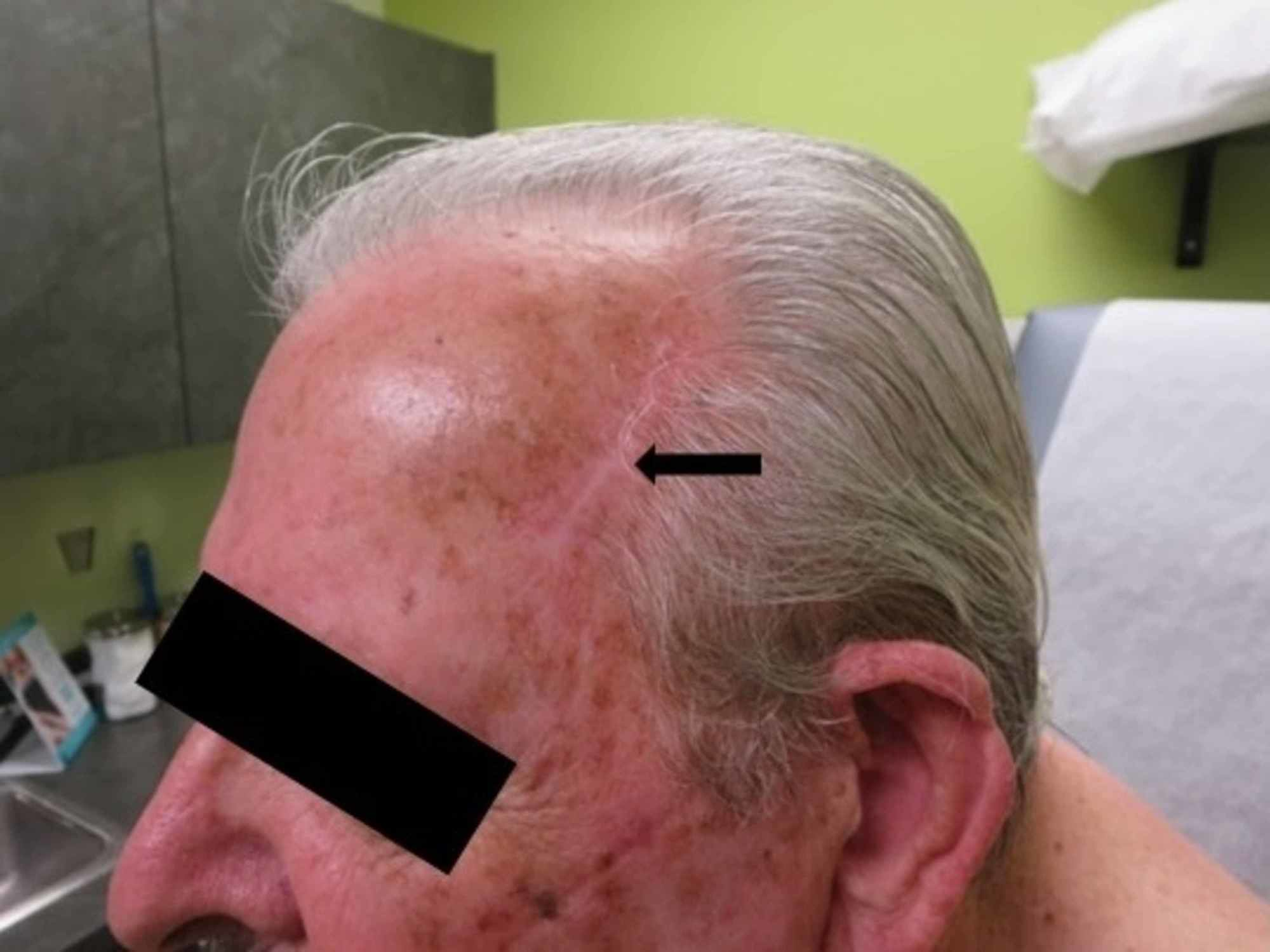
Cureus Metastatic Squamous Cell Carcinoma A Cautionary Tale

Squamous Cell Skin Cancer

SquamousCell Carcinoma of the Skin NEJM
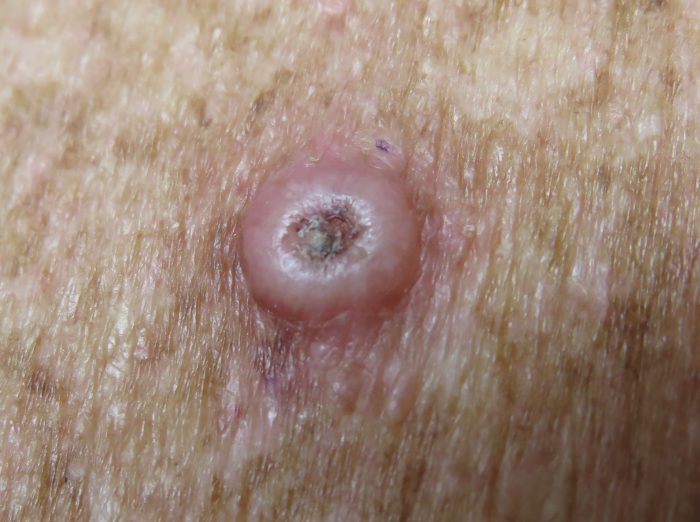
Summerland Skin Cancer Clinic » Squamous Cell Carcinoma
Cutaneous squamous cell carcinoma (cSCC) is the second most common form of skin cancer, which predominantly occurs on the head and neck. Early detection and treatment of primary tumours is crucial to limit progression and local invasion of deep tissues. While high-risk markers of poor prognosis have been identified, factors predicting regional.. Advanced cutaneous squamous-cell carcinoma is a condition that encompasses these two incurable situations, and patients with this condition are considered for palliative systemic therapy, which.
